
Swat Valley Travel Guide for Foreigners: Pakistan's "Switzerland of the East" Explained
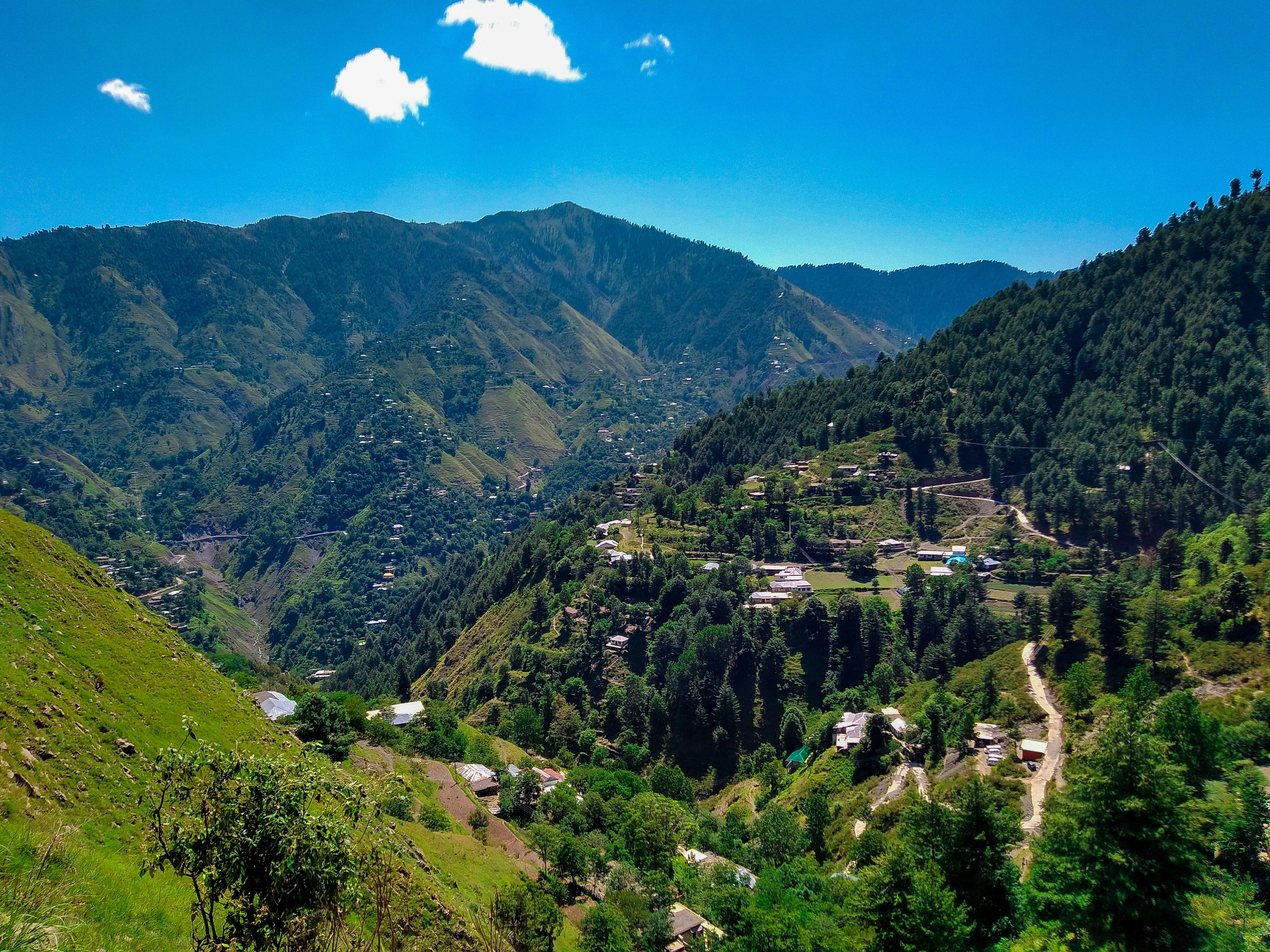
There's a reason Swat keeps getting compared to the Alps before anyone's even seen a photo of it: pine-covered slopes, a river that changes color by the hour, and small towns stacked into hillsides that look more Central European than South Asian
The Quick Guide (At a Glance)
- 01/ Location: Swat is a district in Khyber Pakhtunkhwa (KP) province, roughly 240–265 km north of Islamabad — about a 5 to 6 hour drive.
- 02/ The nickname:"Switzerland of the East" comes from its pine forests, snow-fed rivers, and alpine towns like Kalam and Malam Jabba, which sit at elevations between 1,800 and 2,800 metres
- 03/ Best time to visit:April through October for green valleys and open roads; December through February if you specifically want snow and skiing at Malam Jabba.
- 04/ Safety status:Tourism has rebounded strongly with checkpoints, tourist police, and a large domestic visitor base, but it's a region with a complicated security history — worth reading the safety section below before you finalize plans.
Swat is one of the most-asked-about regions in Pakistan for first-time foreign visitors — partly for the scenery, partly because its name still carries the weight of a difficult decade most travelers vaguely remember and don't fully understand. Here's a clear-eyed look at what Swat actually is today, what's genuinely worth your time, and what to know before you book anything.
Switzerland of the East: Why Swat Looks the Way It Does
Swat sits along the Swat River in the lower Hindu Kush, where the terrain rises quickly from
wide river valleys near Mingora into pine forest and alpine meadow the further north you go
toward Kalam and Bahrain. That elevation gain is exactly why the comparison to Switzerland stuck
— by the time you reach Kalam, you're surrounded by deodar forest, glacial streams, and mountain
backdrops that look distinctly European rather than South Asian
There's history layered into the scenery too. Swat was once a self-governing princely state, and
the White Palace in Marghazar — built for the region's last ruling Wali — still stands as one of
the more interesting architectural stops near Mingora. Further back, the valley was a center of
Buddhist learning under the Gandhara civilization, and archaeological sites and stupas around
Saidu Sharif and Mingora reflect that older identity, long before "Switzerland of the East"
became the shorthand most people use now.
"To travel is to discover that everyone is wrong about other countries"
— Aldous Huxley
Is Swat Valley Safe for Tourists in 2026?
This is the question worth answering honestly rather than glossing over, because Swat's story
includes a genuinely difficult chapter: between 2007 and 2009, the valley was under the control
of militant groups before a major Pakistani military operation restored state control. In the
years since, tourism has returned at scale — hotels have reopened, domestic visitor numbers are
at record highs, and many recent foreign travelers describe a heavy but reassuring security
presence, with checkpoints at the main entry points and a generally calm, welcoming atmosphere
along the main Mingora–Kalam corridor.
At the same time, the picture isn't uniformly
settled. Khyber Pakhtunkhwa as a province has seen a resurgence of militant activity in recent
years, and some Western governments — the UK's Foreign, Commonwealth & Development Office among
them — currently advise against travel to Swat district specifically, alongside several other KP
districts. There have also been isolated but serious incidents in the broader region in the past
couple of years, including attacks well outside the usual tourist path.
What this means
practically: check your home country's current travel advisory before booking, not just travel
forum opinions from a few years ago, since the situation shifts. If you do go, traveling with a
reputable local operator who tracks real-time conditions, sticking to the established tourist
corridor (Mingora, Fizagat, Marghazar, Malam Jabba, Bahrain, Kalam), and avoiding remote side
valleys or border-adjacent areas is the sensible approach most experienced visitors and tour
operators follow. It's also worth noting that traveling against an official "advise against
travel" warning can affect your travel insurance, so check your policy's fine print if that
applies to your nationality.
Things to Do in Swat Valley: Kalam, Malam Jabba, and Beyond
Most itineraries start in Mingora, the valley's commercial hub, before heading toward the more
scenic upper valley. A few stops come up again and again for good reason:
Kalam sits about 99 km north of Mingora and is the usual base for exploring the upper valley —
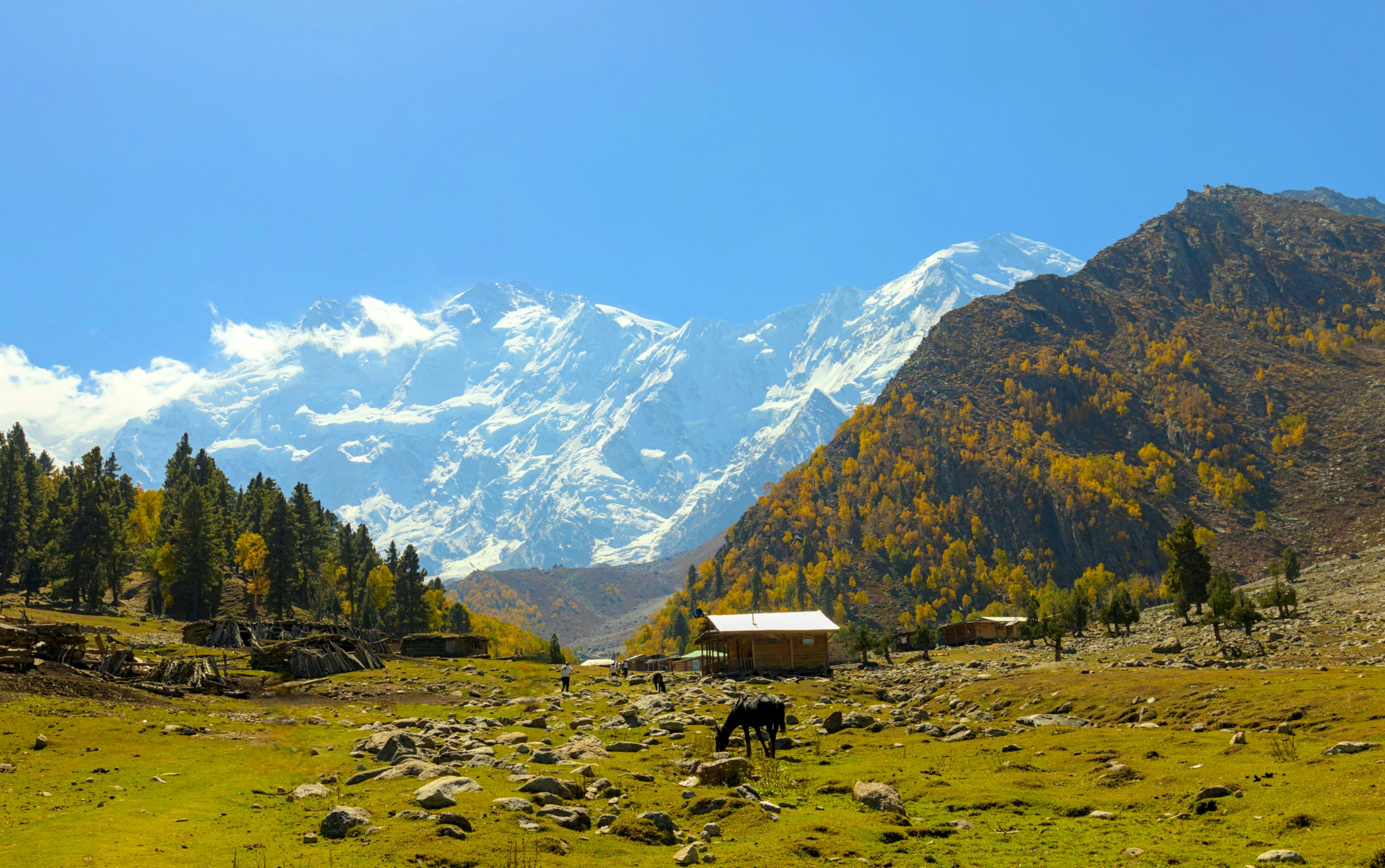
riverside, forested, and noticeably cooler than Mingora year-round. Mahodand Lake, roughly 35–40
km further by 4x4 from Kalam through Ushu Forest, is the valley's signature alpine lake — good
for boating, trout fishing, and the kind of camping spot that ends up on every Swat itinerary's
highlight reel. Malam Jabba, about 50 km from Mingora, is Pakistan's only real ski resort, with
a chairlift, slopes for beginners through intermediate skiers in winter, and hiking and
zip-lining in the warmer months.
Closer to Mingora, Fizagat Park is a popular riverside spot
for food and an easy afternoon, while the White Palace in Marghazar and the Swat Museum near
Saidu Sharif cover the valley's royal and Buddhist-era history for travelers who want more than
scenery. If you have extra days, Bahrain and Madyan make good overnight stops between Mingora
and Kalam, and Ushu Forest is worth slowing down for rather than just passing through on the way
to Mahodand
Frequently Asked Questions
No — the No Objection Certificate that was once required for foreign tourists in Swat has been dropped for general travel. A valid passport, carried with you for checkpoints along the way, is what you actually need.
It's complicated rather than a simple yes or no. The main tourist corridor has seen a real tourism rebound with visible security infrastructure, but the wider Khyber Pakhtunkhwa region has experienced renewed militant activity in recent years, and some governments currently advise against all travel to Swat district. Check your country's current travel advisory, travel with a reputable local operator, and stick to the established route rather than improvising into remote side valleys
April to October covers the green-valley, open-road season and is the most popular window. If skiing at Malam Jabba is the goal, December to February is when the resort actually has snow, though some higher-altitude roads can be affected by winter closures.
By road, it's roughly 240–265 km and about 5 to 6 hours to Mingora, mostly via the M-1 motorway toward Mardan and then north. There are also periodic flights from Islamabad to Saidu Sharif Airport, which cuts the door-to-door time significantly if you'd rather skip the drive