
Gilgit Baltistan & Hunza Valley: Complete Travel Guide for Foreign Visitors (2026)
This guide covers everything a foreign visitor needs to plan a trip to Gilgit Baltistan and Hunza Valley — when to go, how to get there, where to stay, what to see, and how to do it safely and well.
The Quick Guide (At a Glance)
- 01/ Region: Gilgit Baltistan, northern Pakistan
- 02/ Key destinations: Hunza Valley, Karimabad, Naltar Valley, Attabad Lake, Passu, Skardu, Gilgit city
- 03/ Best time to visit: Mid-April to October (peak season May–September).
- 04/ Nearest airport:Gilgit Airport (PJG) and Islamabad International (ISB) with connecting flights
- 05/ Altitude:Hunza Valley sits at approximately 2,400m (7,900ft); surrounding peaks exceed 7,000m
- 06/ Currency:Pakistani Rupee (PKR); USD widely accepted by tour operators
- 07/ Visa:Pakistan eVisa required for most nationalities — no visa on arrival
- 08/ Language:English widely understood in tourist areas; Burushaski, Shina, and Wakhi locally
- 09/ Safety:Gilgit Baltistan is considered one of Pakistan's safest regions for foreign tourists
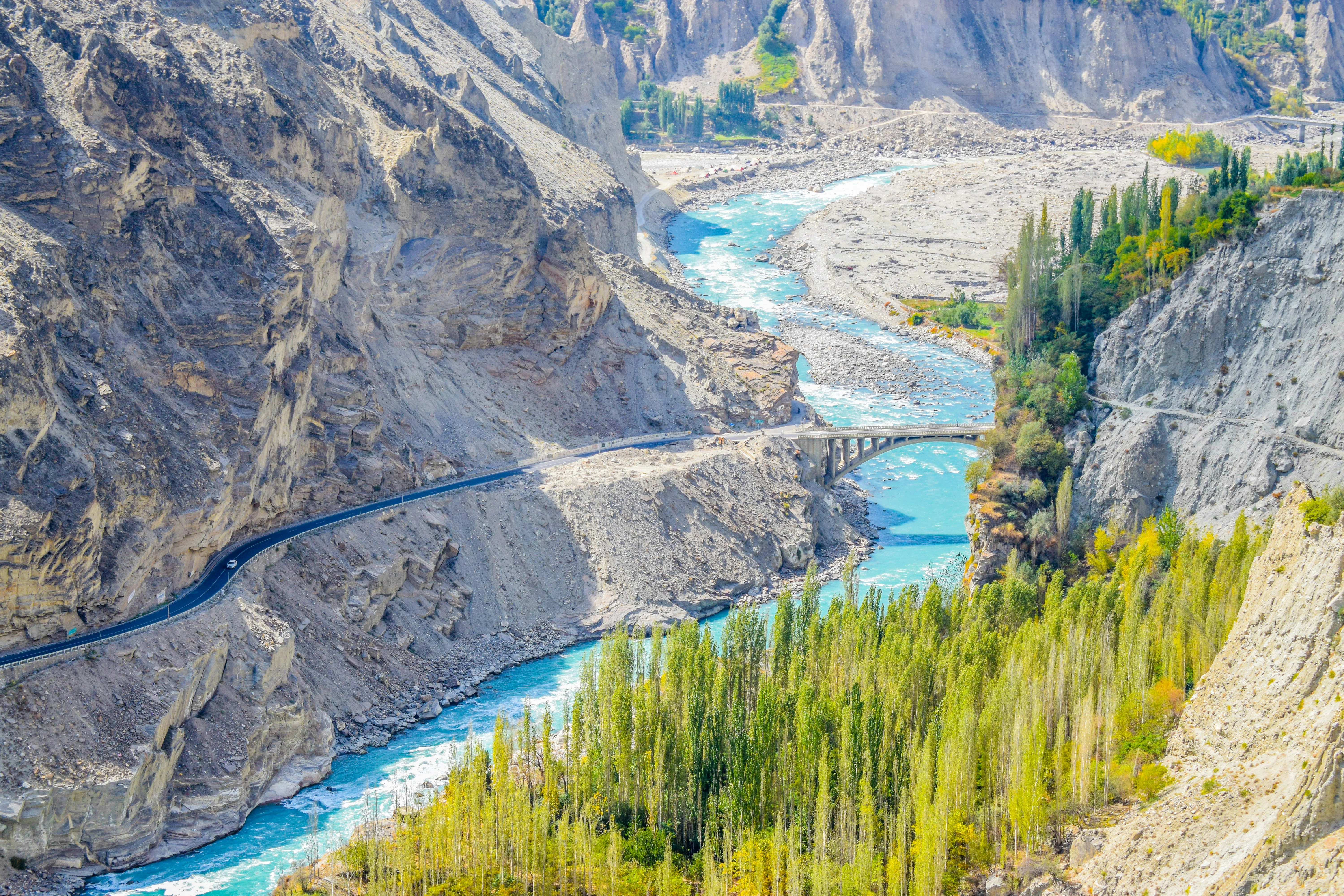
Few places on earth stop you in your tracks the way Gilgit Baltistan does. Three of the world's greatest mountain ranges — the Karakoram, the Himalayas, and the Hindu Kush — converge here in a tangle of glaciers, turquoise lakes, and ancient valleys that most of the world has never heard of. Hunza Valley sits at the heart of it all: a terraced green ribbon running beneath peaks so high they seem implausible, home to some of the warmest hospitality you will find anywhere on the planet.
What Makes Gilgit Baltistan Worth the Journey?
Gilgit Baltistan is Pakistan's northernmost administrative territory, covering over 72,000
square kilometres of some of the most dramatic terrain on earth. It is home to five of the
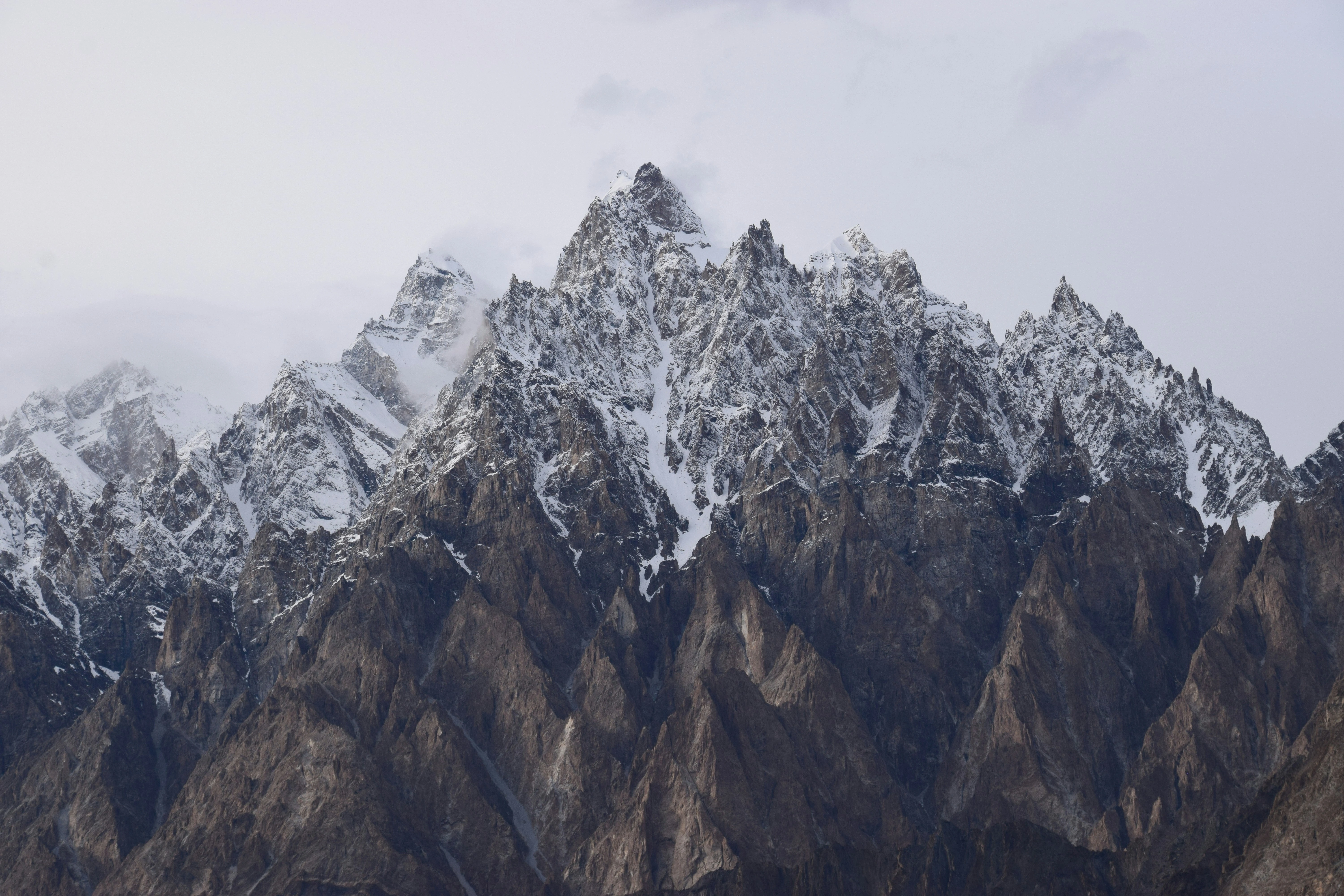
world's seventeen peaks above 8,000 metres, including K2, the second-highest mountain in the
world. More than 7,000 glaciers — more than anywhere outside the polar regions — feed its
valleys.
But what makes it worth the journey for foreign visitors isn't only the mountains. It is the
combination of extraordinary landscapes, a 2,000-year-old Silk Road legacy, ancient Buddhist
rock carvings, Ismaili communities with some of the highest literacy rates in Pakistan, and a
reputation for welcoming foreign guests with a warmth that consistently surprises first-time
visitors.
Hunza Valley in particular has earned a devoted following among travellers. Once
so remote that it operated as an independent kingdom until 1974, it now draws visitors from
across Europe, North America, and East Asia who come for the views of Rakaposhi, the apricot
blossoms, the Baltit and Altit forts, and what many describe as the most beautiful single
viewpoint in Pakistan: the Eagle's Nest at sunset.
"To travel is to discover that everyone is wrong about other countries"
— Aldous Huxley
When Is the Best Time to Visit Gilgit Baltistan and Hunza Valley?
The best time to visit is between late April and mid-October, with May through September being the peak season when roads are open, skies are clear, and all major attractions are accessible.
- Here is how the seasons break down:
- Late April to MayApricot and cherry blossoms transform Hunza into one of the most photographed places in Asia. Temperatures are mild (10–22°C in the valley), crowds are still manageable, and the light is exceptional for photography. This is arguably the most beautiful window of the year.
- June to August— Peak season. All roads including the Karakoram Highway are fully open. Naltar's famous multi-coloured lakes are at their most vivid. Days are warm in the valley (18–30°C), though higher altitude passes remain cool. Expect more visitors, especially Pakistani domestic tourists in July and August.
- September to mid-October— Golden autumn foliage across the valley, harvest season for Hunza's famous fruits, and noticeably quieter than summer. Evenings cool quickly but clear skies make for outstanding stargazing and mountain views. Many experienced visitors consider this the finest window.
- November to March— Most roads beyond Karimabad become difficult or impassable. Temperatures drop sharply and many guesthouses close. Not recommended for first-time visitors unless you have significant cold-weather experience and local contacts.
How Do You Get to Gilgit Baltistan?
Getting to Gilgit Baltistan requires planning, but the journey itself — particularly the final approach into the mountains — is part of the experience.
- By air from IslamabadPakistan International Airlines and Serene Air operate
daily flights from Islamabad to Gilgit (approximately 45 minutes). This is the fastest and
most practical option for foreign visitors. Important caveat: these flights operate on
visual flight rules and are frequently cancelled or delayed in poor weather. Build
flexibility into your schedule — budget two to three days of contingency, not one.
Flights to Skardu are also available from Islamabad (approximately 1 hour) and are generally considered one of the world's most spectacular commercial routes, passing directly alongside Nanga Parbat. - By road via the Karakoram HighwayThe Karakoram Highway (KKH) runs approximately 800 kilometres from Islamabad to the Chinese border at Khunjerab Pass, passing through Gilgit and Hunza along the way. The drive from Islamabad to Gilgit takes roughly 14–18 hours by road, though most visitors split this over two days with a night in Besham or Chilas.The KKH itself is a historic engineering achievement — built jointly by Pakistan and China between 1959 and 1979 at the cost of hundreds of lives — and travelling sections of it by road rather than flying gives a sense of scale that no flight can match. Many visitors fly in and drive sections of the KKH as part of their itinerary rather than committing to the full road journey in both directions.
- From Gilgit to HunzaThe drive from Gilgit city to Karimabad (the main town in Hunza) takes approximately 2–3 hours along the KKH. Most private tour operators include this transfer as part of a guided itinerary.
What Are the Must-See Places in Hunza Valley?
Hunza is the single most-visited part of Gilgit-Baltistan and deserves its own deep dive — Karimabad, Baltit and Altit Forts, Eagle's Nest, Attabad Lake, and Passu are covered in full detail, including entry fees and timing, in our dedicated Hunza Valley guide. Most itineraries pair Hunza with the destinations below, which this guide covers.
What Else Is Worth Seeing in Gilgit Baltistan?
- Hunza is the centrepiece, but Gilgit Baltistan has significant depth beyond the valley.
- Naltar Valley:Reached via a rough mountain road approximately 40 kilometres from Gilgit, Naltar is famous for its cluster of small lakes — each a different shade of blue, green, or turquoise depending on light and season. In winter it hosts Pakistan's only ski resort. In summer the valley is carpeted with wildflowers and the pines take on an almost Nordic quality. A half-day excursion from Gilgit, though the road requires a capable 4x4.
- Gilgit City:Gilgit is the regional capital and the main transport hub for the north. While not a destination in itself, its bazaar offers some of the best locally-made Gilgit Baltistan crafts — particularly woollen goods, dried fruits, and locally-produced honey. The ancient Kargah Buddha, a rock carving dating to the 7th century AD, is a 20-minute drive from the city centre and worth visiting.
- Khunjerab Pass: At 4,693 metres above sea level, Khunjerab Pass marks the border between Pakistan and China and is one of the highest paved international border crossings in the world. The landscape is high-altitude steppe: wide, cold, and utterly unlike the green valleys below. Snow leopards, Marco Polo sheep, and brown bears inhabit the national park surrounding the pass. The road from Sost to the top takes approximately two hours by jeep; the border itself is open to tourists between May and October.
- Skardu and Deosai Plains:Skardu, reached by flight from Islamabad or by road via the Karakoram, serves as the gateway to K2 and several other eight-thousanders. The nearby Deosai National Park — known as the "roof of the world" — is a high-altitude plateau at around 4,000 metres, one of the highest plateaus on earth and habitat for the Himalayan brown bear. Visiting Skardu typically adds a minimum of three to four days to an itinerary.
Is Gilgit Baltistan Safe for Foreign Visitors?
Gilgit Baltistan has a well-established track record of safety for foreign tourists and is widely considered one of the safest regions in Pakistan for international visitors.
- A few practical points worth understanding:
- The region has its own distinct character from Pakistan's more troubled areas. It is governed separately from KPK and from Balochistan, the two provinces that attract the most international attention in travel advisories. Most Western government advisories recommend "exercise normal precautions" or "exercise a high degree of caution" specifically for Gilgit Baltistan — check your own government's current advice before travel and understand which specific areas the advisory applies to.
- Altitude is a more immediate practical concern than security. Hunza sits at 2,400 metres; excursions to Eagle's Nest, Naltar, Khunjerab, and Deosai take you significantly higher. Acclimatise before ascending rapidly, drink consistently, and avoid alcohol at altitude. Acute Mountain Sickness (AMS) is a genuine risk above 3,000 metres for visitors who ascend too quickly.
- Road conditions require respect. Mountain roads in Gilgit Baltistan can be narrow, steep, and subject to rockfall, particularly after rain. A competent local driver with knowledge of the roads is essential — this is not a region for self-drive unless you have specific experience with high-altitude mountain driving.
What Does It Cost to Visit Gilgit Baltistan?
Costs vary significantly depending on how you travel.
Independent budget travel is possible for visitors with time and flexibility — local guesthouses
in Karimabad range from $15 to $40 per night, local transport (shared jeeps, wagons) is
inexpensive, and food in local restaurants is cheap. However, reaching more remote spots like
Naltar, Deosai, or Khunjerab requires either renting a private 4x4 or joining a tour.
Private guided tours with a reputable operator covering Gilgit Baltistan over 8–10 days
typically range from $2,500 to $4,000 per person, inclusive of accommodation, private transport,
and an English-speaking guide. This category includes services tailored specifically to foreign
visitors — itinerary expertise, logistical coordination, and access to local contacts that make
a meaningful difference in the quality of the experience.
Flights to Gilgit from Islamabad cost approximately $80–$110 one way at the time of writing,
though prices fluctuate with demand and season.
Do Foreign Visitors Need a Visa for Pakistan?
Yes. Most foreign nationals require a visa to enter Pakistan, and visa on arrival is not
available for the majority of nationalities including US, UK, EU, and Australian
citizens.
Pakistan's eVisa system allows applications online through the official Pakistan Online Visa
System (POVS) at visa.nadra.gov.pk. Processing typically takes between 5 and 15 business days,
though this can vary. Required documents generally include a valid passport, recent passport
photograph, travel itinerary, and hotel bookings or a Letter of Invitation from a registered
Pakistani tour operator.
For visitors planning a guided tour, your tour operator can provide the Letter of Invitation,
which is one of the required supporting documents for the eVisa application. This makes booking
through a registered local operator practical as well as logistically useful.
Entry requirements and eVisa eligibility do change — always verify current requirements directly
through the official Pakistani visa portal or your nearest Pakistani embassy before applying.
Practical Tips for First-Time Visitors
- Currency:The Pakistani Rupee (PKR) is the local currency. ATMs exist in Gilgit and Karimabad but can be unreliable — bring sufficient PKR cash from Islamabad before heading north. Most reputable tour operators accept USD directly.
- Connectivity:4G is available in Gilgit and Karimabad via SCOM network. Connectivity becomes patchy or absent in more remote valleys and at altitude. A local SIM card from SCOM (available in Gilgit) gives better coverage in the north than mainstream Pakistani networks.
- Clothing:Layers are essential. Valley temperatures in summer are comfortable during the day but cool sharply after sunset. If you plan to visit Khunjerab or Deosai, bring proper cold-weather gear regardless of the season. Modest dress is respectful in local communities — avoid shorts or sleeveless tops in villages.
- Respect for local culture:Hunza is predominantly Ismaili Muslim, and the community is notably open and welcoming to foreign guests. Basic courtesies — asking permission before photographing people, removing shoes when entering homes, accepting offers of tea — go a long way and will be appreciated.
- Photography permits:The main forts and some national park areas charge a small photography fee. Budget a few hundred PKR for this and consider it a fair contribution to conservation.
Frequently Asked Questions
A minimum of seven days allows you to cover Hunza's main highlights — Karimabad, Baltit Fort, Altit Fort, Attabad Lake, Eagle's Nest, and Passu — at a comfortable pace. Ten to fourteen days is better if you want to add Naltar Valley, Gilgit city's surroundings, Khunjerab Pass, or Skardu. The single most common regret among visitors is not allocating enough time.
Technically yes, but it significantly limits what you can access. Public transport exists between major towns, but reaching Naltar, Eagle's Nest, Deosai, and Khunjerab requires private 4x4 hire. A private guide also adds context — the history of the Silk Road, the political history of the Hunza Kingdom, the identification of peaks — that transforms what you see. For first-time visitors to Pakistan especially, a private guide is strongly recommended.
Karimabad is the best base. It is centrally located, has the widest range of accommodation, and sits within easy reach of all the main sites. Gulmit, further north, is a quieter alternative that works well if you plan to spend more time in upper Hunza and around Passu.
The KKH between Islamabad and Gilgit is generally open year-round, though winter driving requires care. The section beyond Hunza toward Khunjerab Pass closes at the border in winter — the Khunjerab crossing is typically open only between May and October. The road to Naltar and some side valleys can be impassable with snow from November through April.
Yes. Hunza Valley in particular has a long history of welcoming solo female travellers and has one of the highest female literacy rates in Pakistan. Female visitors travelling with a reputable tour operator will find the region safe, welcoming, and considerably less conservative than parts of lowland Pakistan. Modest dress remains advisable in villages and local markets.