
Lahore Walled City Guide: Must see for first-time visitors
Most people land in Lahore thinking they'll spend a day on the city's broader sights. They end up spending it inside about one square kilometre of the Walled City instead — and that's the right call. Here's how to actually see it.
The Quick Guide (At a Glance)
- 01/ What it is:The historic core of Lahore, dating back centuries, enclosed by the remains of a 13-gate wall and packed with Mughal-era monuments, markets, and one of the country's most important Sufi shrine corridors.
- 02/ The big three:Badshahi Mosque, Lahore Fort, and Wazir Khan Mosque — all within a 15–20 minute walk of each other and easily covered in a single day.
- 03/ Best route:Most first-timers follow the "Royal Trail," a roughly 1.6 km stretch running from Delhi Gate through the old bazaars to the Lahore Fort and Badshahi Mosque.
- 04/ Best time to go:Early morning, around when the mosques open — better light, cooler temperatures, and far fewer crowds than a midday or evening visit.
The Big Three: Badshahi Mosque, Lahore Fort, and Wazir Khan Mosque
These three sites anchor almost every Walled City itinerary, and for good reason. Badshahi
Mosque, built between 1671 and 1673 under Emperor Aurangzeb, is one of the largest mosques from
the Mughal era and still functions as an active place of worship — its red sandstone and white
marble inlay façade is instantly recognizable, and the scale of the courtyard, large enough to
hold tens of thousands of worshippers, is hard to appreciate from photos alone. Entry is
generally free, but modest dress is expected: arms and legs covered, shoes removed at the
entrance, and a headscarf for women.
Directly across the Hazuri Bagh garden sits Lahore Fort, a Mughal citadel spread over more than
20 hectares with more than twenty notable structures inside its walls, including the Sheesh
Mahal (Palace of Mirrors), an ornate marble pavilion inlaid with mirror-work that's one of the
fort's standout interiors. Unlike the mosque, the fort charges an entry fee for foreign visitors
— historically a modest amount by Western standards, though it's worth confirming the current
rate at the gate since fees do get revised. Budget at least an hour or two to walk the grounds
properly.
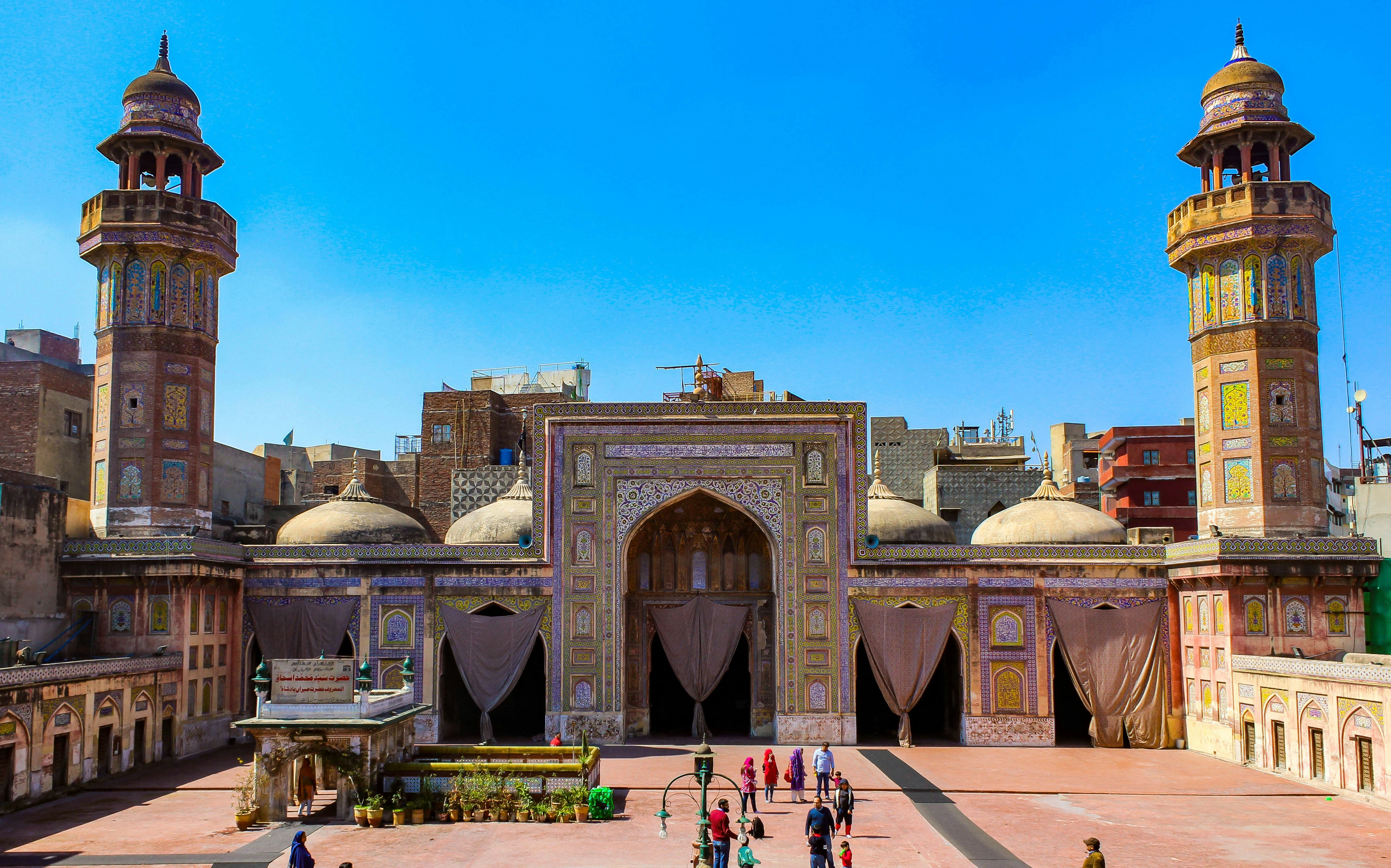
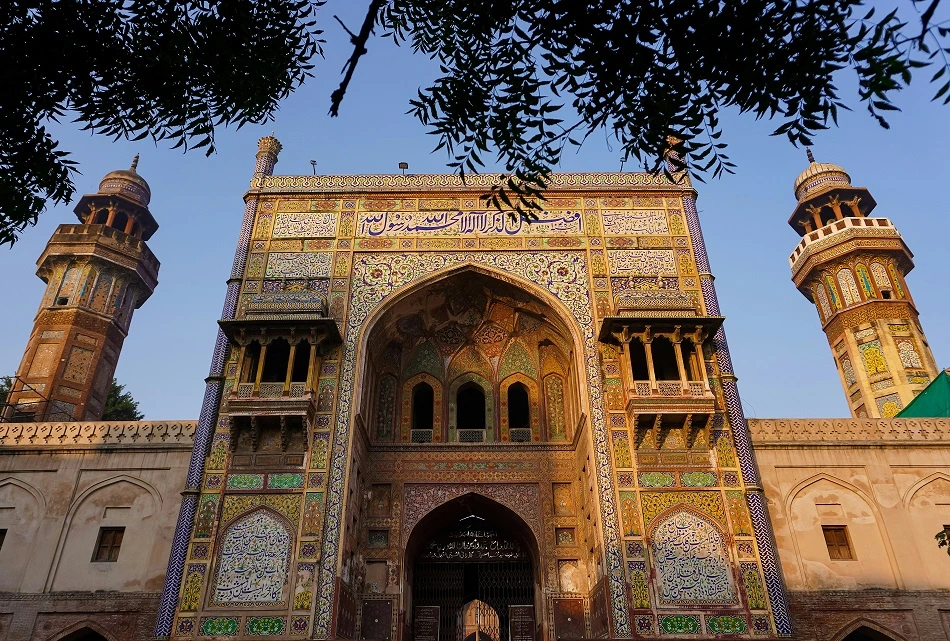
Wazir Khan Mosque, a 10–15 minute walk deeper into the Walled City, is the one repeat visitors
often say they preferred. Built roughly four decades before Badshahi Mosque, it's considered the
most intricately decorated mosque in Lahore, covered almost entirely in kashi-kari tile mosaic,
fresco painting, and calligraphy rather than the plainer red sandstone of its larger
counterpart. It also draws a fraction of Badshahi's crowds, which makes for a more contemplative
visit.
"To travel is to discover that everyone is wrong about other countries"
— Aldous Huxley
Walking the Royal Trail: Delhi Gate, the Bazaars, and Shahi Hammam
Between the big monuments is where the Walled City actually shows its character. Most guided
routes start at Delhi Gate, one of six surviving gates from the original thirteen that once
ringed the city, and follow what's locally referred to as the Royal Trail — the same route
Mughal emperors once rode on their way to the fort.
Just inside the gate, the Shahi Hammam is a restored 17th-century Turkish-style bathhouse that
was once a social and political hub of the city; today its restored central chamber, with its
painted ceilings, is open to visitors and gives a sense of what Mughal-era public life actually
looked like. From there, the trail threads through narrow bazaar lanes — the Azam Bazar's
textile and clothing stalls among them — toward Wazir Khan Mosque, with plenty of detours worth
taking along the way, including Gali Surjan Singh, a narrow lane known for its colourful
balconies and potted plants, often cited as one of the prettiest corners of the old city.
This stretch is also where most travelers say the real texture of the Walled City lives: spice
markets, copper and brassware stalls, street food vendors, and the kind of unplanned
conversations with shopkeepers that don't happen at the monuments themselves. It's worth
budgeting unstructured time here rather than rushing straight between landmarks.
Practical Tips for First-Time Foreign Visitors
A few things make the visit smoother. Mornings are genuinely the best time to go — light is
better for photos, the heat hasn't set in (especially relevant for most of the year in Lahore),
and the major sites are noticeably quieter before mid-morning local crowds arrive. Getting
between sites is easiest by rickshaw or a ride-hailing app rather than walking the full route in
summer heat, though the core stretch between the Fort, Badshahi Mosque, and Wazir Khan Mosque is
comfortably walkable.
Dress matters more here than in most of Lahore: modest clothing covering arms and legs is
expected at all the mosques, and women should carry a scarf for head covering. Shoes come off
before entering prayer halls and inner courtyards at both major mosques — there are shoe-keeping
areas at the entrances, usually for a small tip. It's also worth carrying small rupee notes for
entry fees, tips, and street food, since card payment is rare inside the old city. Hiring a
local guide for a few hours is a good option for first-timers, both for historical context
that's easy to miss on your own and for help navigating the denser bazaar lanes.
Frequently Asked Questions
Badshahi Mosque and Lahore Fort are the natural starting point, since they sit directly across from each other and anchor the northern end of the Walled City. From there, most visitors walk south through the bazaars toward Wazir Khan Mosque and Delhi Gate, following what's known locally as the Royal Trail.
A full day covers the highlights comfortably — roughly half a day for Badshahi Mosque and Lahore Fort combined, and the rest for Wazir Khan Mosque, the Shahi Hammam, and time to wander the bazaars without rushing. It's possible to do a faster half-day version, but you'll trade away most of the market and street-life experience that makes the Walled City distinct.
Entry to Badshahi Mosque and Wazir Khan Mosque is generally free, though donations are welcomed. Lahore Fort charges an entry fee for foreign visitors, separate from the local rate — it's worth confirming the current price at the gate, since fees are periodically revised.
Modest clothing that covers your arms and legs is expected, particularly at the mosques, and women should bring a scarf to cover their hair before entering. Comfortable walking shoes are worth it too, since you'll be removing them frequently at mosque entrances and walking on uneven historic streets.