
Nanga Parbat Base Camp Trek: What Foreign Visitors Need to Know
You can see Nanga Parbat from Fairy Meadows. But standing at its base — at the foot of the north face, looking up at 4,600 vertical metres of mountain above you — is a different experience entirely. Here's how to get there.
The Quick Guide (At a Glance)
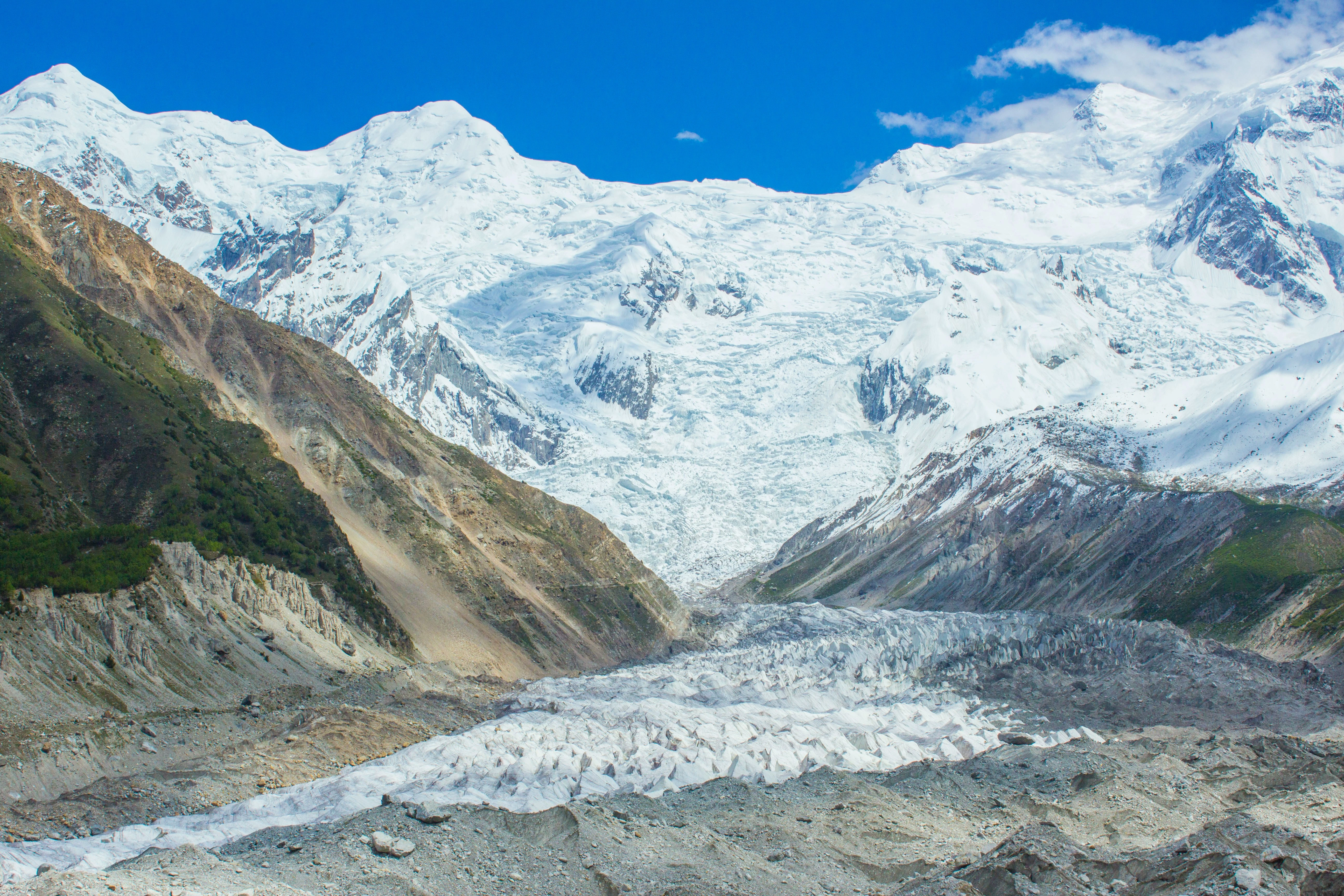
- 01/ The mountain: Nanga Parbat stands at 8,126 m — the world's ninth-highest peak and the second tallest in Pakistan after K2. Its north face, visible from Fairy Meadows, is the largest mountain face on earth at 4,600 m vertical.
- 02/ Route: Fairy Meadows (3,300 m) → Beyal Camp (3,540 m) → Raikot Glacier Viewpoint (3,667 m) → Nanga Parbat Base Camp (approx. 3,967 m). Round trip approximately 14 km.
- 03/ Time: 8 to 10 hours round trip from Fairy Meadows as a full day out — or split across two days with an overnight at Beyal Camp.
- 04/ Difficulty: Moderate overall. The Fairy Meadows to Beyal section is easy; the Beyal to base camp section involves rocky moraine and a steep final 30-minute push. No technical climbing required.
Nanga Parbat Base Camp is one of the most accessible high-altitude objectives in the Himalaya — and that's not a marketing line, it's a genuine structural fact about this mountain. Most 8,000-metre peaks require weeks of approach and technical expertise just to reach base camp. The Raikot Base Camp on Nanga Parbat's north face can be reached in a single long day from Fairy Meadows, by any reasonably fit person willing to put in the hours. What you find when you get there — a close-up of one of the most dramatic mountain faces on the planet — is worth understanding before you plan the logistics.
The Route: Fairy Meadows to Nanga Parbat Base Camp, Section by Section
The route runs in four stages of progressively increasing effort, and it helps to think of them separately when planning your day.
Stage 1 — Fairy Meadows to Beyal Camp (approx. 3 km, 1–2 hours, easy). The trail leaves the guesthouse cluster at Fairy Meadows and climbs gently above the valley on a path through pine forest, with Nanga Parbat visible ahead and to the right throughout. It's a pleasant, largely flat-to-gentle hike — the kind of walking that lets you find your pace and settle in. Beyal Camp, when you reach it, is a small hamlet of wooden huts and a couple of tea houses with basic food, situated at roughly 3,540 m and noticeably quieter than the meadows below.
Stage 2 — Beyal Camp to Raikot Glacier Viewpoint (approx. 1.5 km, 50–70 minutes, easy-moderate). Past Beyal, the trail continues up the valley as the treeline begins to thin. The viewpoint at around 3,667 m is the natural turnaround point for those who don't want to push on to base camp — and it's a legitimate destination in its own right, with a direct sightline down the Raikot Glacier toward Nanga Parbat's face and surrounding peaks including Chongra Peak (6,830 m) and Raikot Peak (7,070 m). Many trekkers stop here, which is the sensible choice for anyone who started late, is feeling the altitude, or simply wants a high-quality view without the harder final section.
Stage 3 — Raikot Glacier Viewpoint to Nanga Parbat Base Camp (approx. 2–3 km, 70–130 minutes, moderate-hard). This is where the character of the trail changes. Past the viewpoint, the terrain turns rocky and uneven — you're walking on glacial moraine rather than a forest path — and the final 30 minutes involves a steep ascent that is the hardest single stretch of the entire route. Trekking poles make a real difference here. The base camp itself sits at approximately 3,967 m, at the foot of the Raikot face, and the scale of the mountain above it is difficult to describe and easy to underestimate from photos.
"Nanga Parbat is huge, majestic, and an impressive sight to behold close up — what makes this special is that you didn't need to be a mountaineer to stand here."
— Multiple trekkers' first reaction at base camp
Difficulty, Altitude and Acclimatisation
The standard rating for this trek is moderate, and that's accurate if you understand what the altitude does to the rating. The terrain between Fairy Meadows and Beyal Camp is straightforward enough that a non-hiker in reasonable health could manage it. The section beyond — moraine, thin air at nearly 4,000 m, and a genuine steep finish — belongs at the harder end of moderate, and the altitude gap between where you sleep and where you're walking matters more than the distance.
Fairy Meadows sits at 3,300 m. Base camp is at roughly 3,967 m. That 667-metre gain is substantial if you haven't had time to acclimatise, and it's the reason most guides and operators recommend spending at least one full night at Fairy Meadows before attempting base camp — ideally two nights, with the second day used for a lighter walk toward Beyal Camp to test how your body is responding before the full push. The symptoms of altitude sickness (headache, nausea, unusual fatigue, dizziness) deserve to be taken seriously at this elevation; the treatment is always to descend, not to push through. Carry ibuprofen or paracetamol for mild headaches, stay well-hydrated (3+ litres on a base camp day), and start early enough that you're not rushing the descent in fading light.
If your Gilgit-Baltistan itinerary already includes time at altitude — Hunza, Skardu, or elsewhere in the north — you'll arrive at Fairy Meadows in meaningfully better shape than someone flying directly from Islamabad and driving straight to Raikot. Our Gilgit-Baltistan Immersive Tour sequences the route to build altitude gradually before this trek, which matters more than most pre-departure planning guides acknowledge.
Permits, Guides and What Base Camp Actually Looks Like
On permits: no special trekking permit is currently required for the base camp route beyond the standard police checkpoint registration that applies to all foreign visitors in Gilgit-Baltistan. That said, permit requirements in Pakistan's northern areas have changed before with little warning, and local authorities at Fairy Meadows typically require or strongly advise guide accompaniment for foreign visitors heading beyond the Raikot Glacier Viewpoint. Confirm current requirements with your operator or the checkpoint before you leave Fairy Meadows — not a month before you leave home.
On guides: the trail as far as Beyal Camp is clear and well-travelled. Beyond that, the moraine section is less obvious underfoot, and a guide is worth having both for navigation and for having a local contact in the event of a medical situation on the upper trail. Guided day-trek costs from Fairy Meadows to base camp run roughly USD 50–65 per person including a packed lunch, based on current operator pricing.
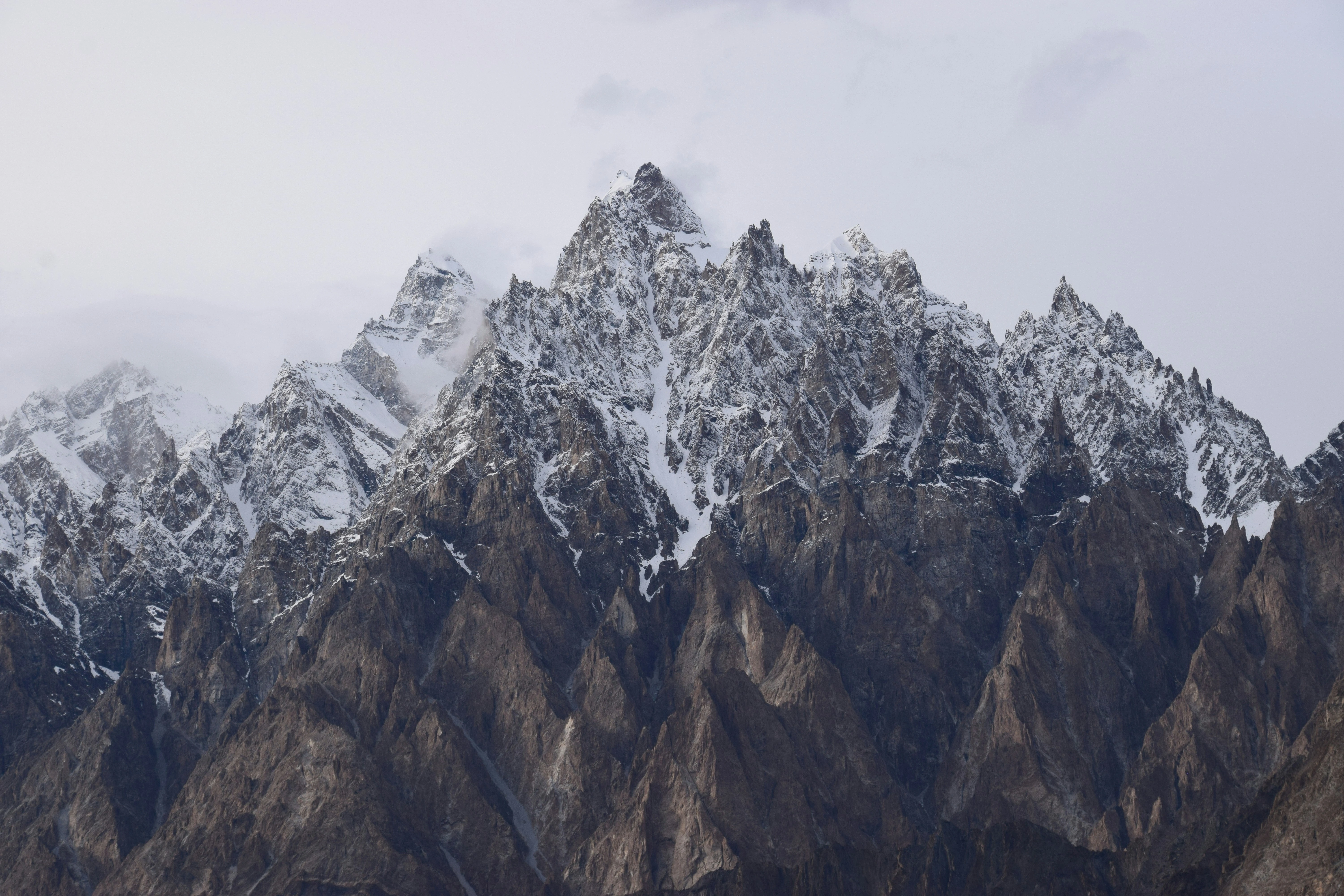
What does base camp actually look like? Mostly rock and ice — you're on a glacial moraine with the Raikot Glacier to one side and the north face of Nanga Parbat directly in front of you. In climbing season there will be expedition tents, equipment caches, and the controlled chaos of a mountaineering operation at various stages. Outside peak climbing season, it's quieter and more elemental: just the mountain, the glacier, and the sound of ice moving. The basic tea house at the viewpoint short of base camp is your best bet for a rest and food on the way back — base camp itself has no permanent facilities for tourists.
Best Season, What to Bring, and Timing Your Day
Mid-June to mid-September is the most reliable window, when the trail is clear of snow and Nanga Parbat's north face is most likely to be visible rather than wrapped in cloud. Late June through August is peak season — more company on the trail, more activity at base camp, and the best weather odds. May and October are worthwhile for those who want solitude and can accept a higher chance of snow on the moraine section and cloud cover around the summit.
Start as early as practical — 6 or 7 am from Fairy Meadows if possible. This gets you to base camp in the morning hours when the mountain is most likely to be clear, gives you time to rest and eat at Beyal on the way back, and ensures you're descending to Fairy Meadows before afternoon clouds typically build and before energy reserves run low.
Packing list specifics: trekking poles (especially for the moraine descent), warm layers for the upper section even in summer, 3+ litres of water from Fairy Meadows (springs are available on trail but don't count on them as your primary source), high-calorie snacks, a first aid kit with altitude-related medications, sun protection at elevation, and your passport or a copy for any checkpoint along the way. Leave valuables and unnecessary weight at your guesthouse — you don't need your full pack for this.
For the full picture on reaching Fairy Meadows itself — jeep logistics, what to expect at the meadow, and the Tattu Village to Fairy Meadows trail — see our complete Fairy Meadows guide. And for those considering building this into a broader Gilgit-Baltistan itinerary rather than a standalone trip, our Gilgit-Baltistan Immersive Tour covers Nanga Parbat alongside Hunza, Skardu, and the Karakoram Highway in a single private journey.
Frequently Asked Questions
The round trip from Fairy Meadows to Nanga Parbat Base Camp is approximately 14 km total. The one-way route passes through Beyal Camp (roughly 3 km from Fairy Meadows) and the Raikot Glacier Viewpoint before reaching base camp at around 3,967 m.
The trek is rated moderate. The Fairy Meadows to Beyal Camp section is easy; the Beyal to base camp section is harder, with rocky moraine terrain and a steep final ascent. No technical climbing skills are needed, but a reasonable level of fitness and at least one night of acclimatisation at Fairy Meadows are strongly recommended.
No special trekking permit is currently required beyond registering at the police checkpoint, which is standard for foreign visitors in Gilgit-Baltistan. However, permit requirements in Pakistan's northern areas can change, so confirm with your operator or the local checkpoint before setting out.
Mid-June to mid-September offers the most reliable conditions, with clear skies, snow-free trails, and the best visibility of Nanga Parbat's north face. Late June to August is peak season. May and October are quieter but carry a higher chance of snow on the upper trail and cloud cover around the summit.
The trail as far as Beyal Camp is well-worn and manageable without a guide for experienced trekkers. Beyond that, toward base camp, a local guide is strongly recommended — both for navigation on the moraine section and because local authorities at Fairy Meadows typically require or strongly advise guide accompaniment for foreign visitors heading to base camp.